


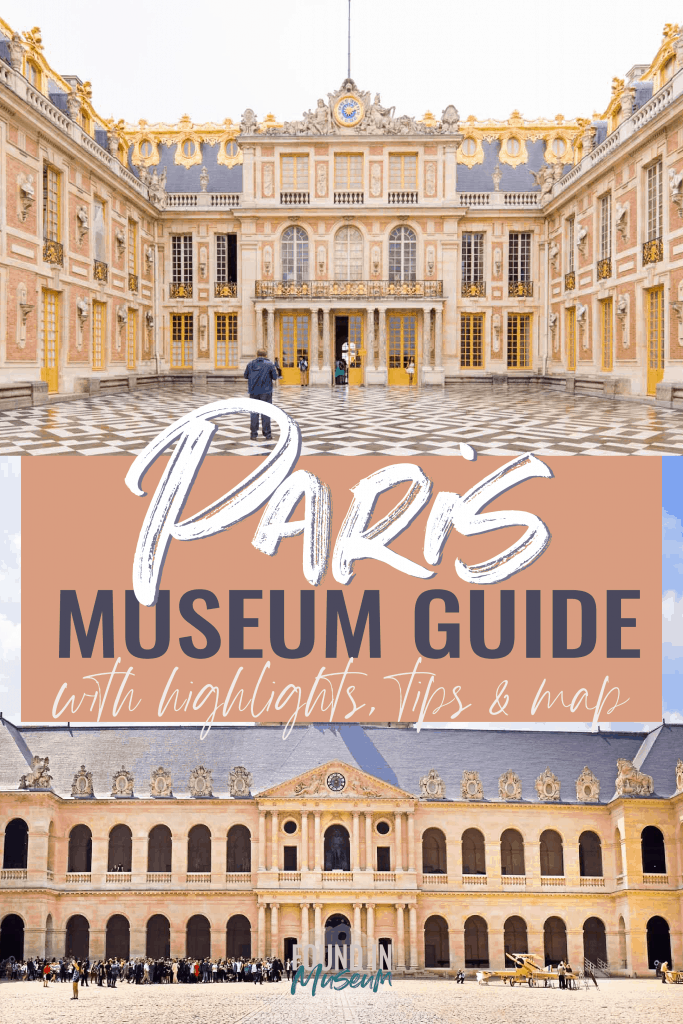
From the Palace of Versailles during the reign of the Sun King, to the French Revolution, to Napoleon, and through two World Wars, Paris has been at the center of history in Europe and one of the major centers of culture as well. Thanks to that history, it’s an epicenter of museums featuring some of the best art, history and natural history collections in the world. If you’re considering a trip sometime soon, you’re probably wondering how to pick the best museums in Paris.
It’s easy to get lost in the sheer number of them, and if you can – you definitely should. But for most of us, traveling to Paris is part of a far too brief adventure through all things French where we drink amazing wine, eat delicious cheese and pretend to time travel back to the best moments in Paris history. So here are a few museums that stand out among the rest that you should consider putting on your must-visit list, along with tips to see museum highlights and save time in the lines, maps to help you plan your museum visit and a few peeks at the collections.
LOUVRE

The Louvre Museum is, of course, first on this list because its the most famous museum in Paris. It comes by its fame rightly as it’s not only is the Louvre one of the best museums in Paris, it’s one of the best in the world. Originally a private collection, the Louvre and its contents were given over to the public during the French Revolution. Ever since it’s been wildly popular with tourists, and a bucket list item for many (especially us museum geeks).
The Louvre has a massive collection that’s continued to grow since the 18th century. With more than 380,000 objects in its collection, only a fraction are ever on display at any given time. The Louvre still manages to display more than 35,000 works in its hundreds of rooms of exhibition space. It’s most famous painting, the Mona Lisa, is often surrounded by throngs of people dying to get a peek in person at da Vinci’s work but the museum is full of other fantastic art objects as well.
Below are a few of the most famous works in the museum, but check out their interactive Louvre Museum Floor Plan to help you pick your own must-sees before you go. It would be nearly impossible to see the whole collection in a day, so going in with a plan is key to having a great visit!
Louvre Highlights
Venus de Milo
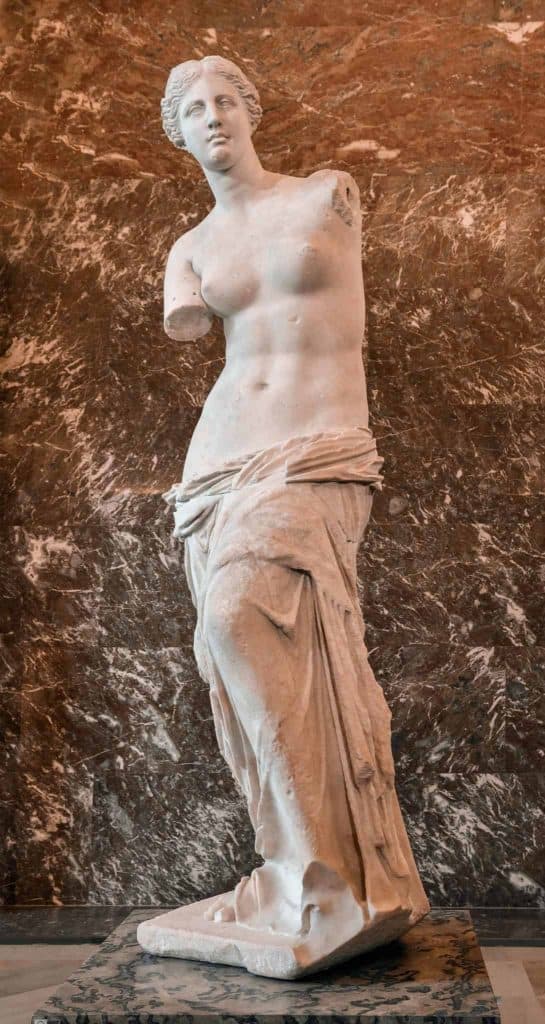
c. 130-100BC- Island of Melos, Greece
By Livioandronico2013 – Own work, CC BY-SA 4.0
“L’Européenne”
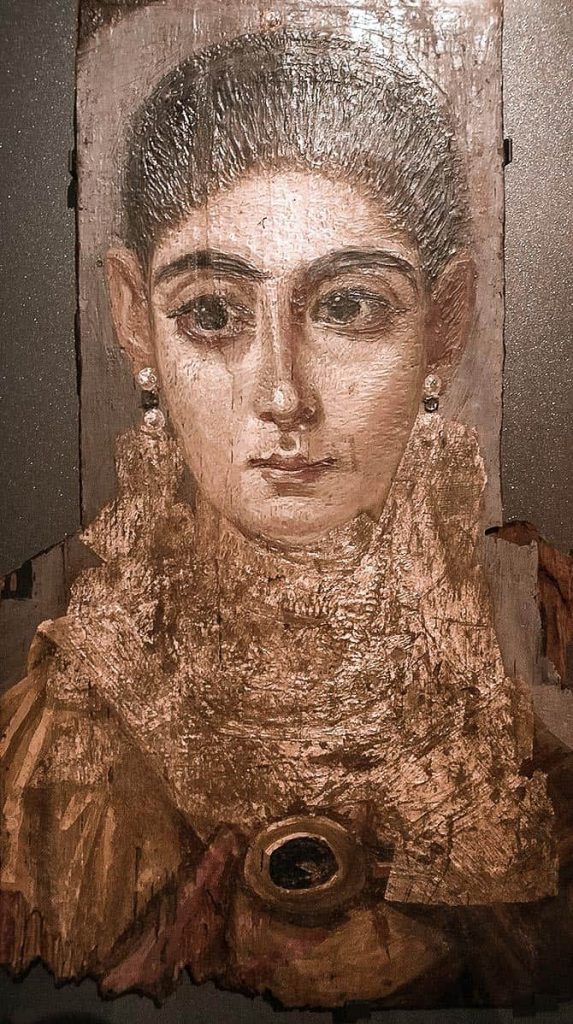
c. 30BC – 392AD – Egypt
Louvre Museum [CC BY-SA]
,_Egypt,_Louvre_Museum_(10572759814).jpg)
Winged Victory of Samothrace
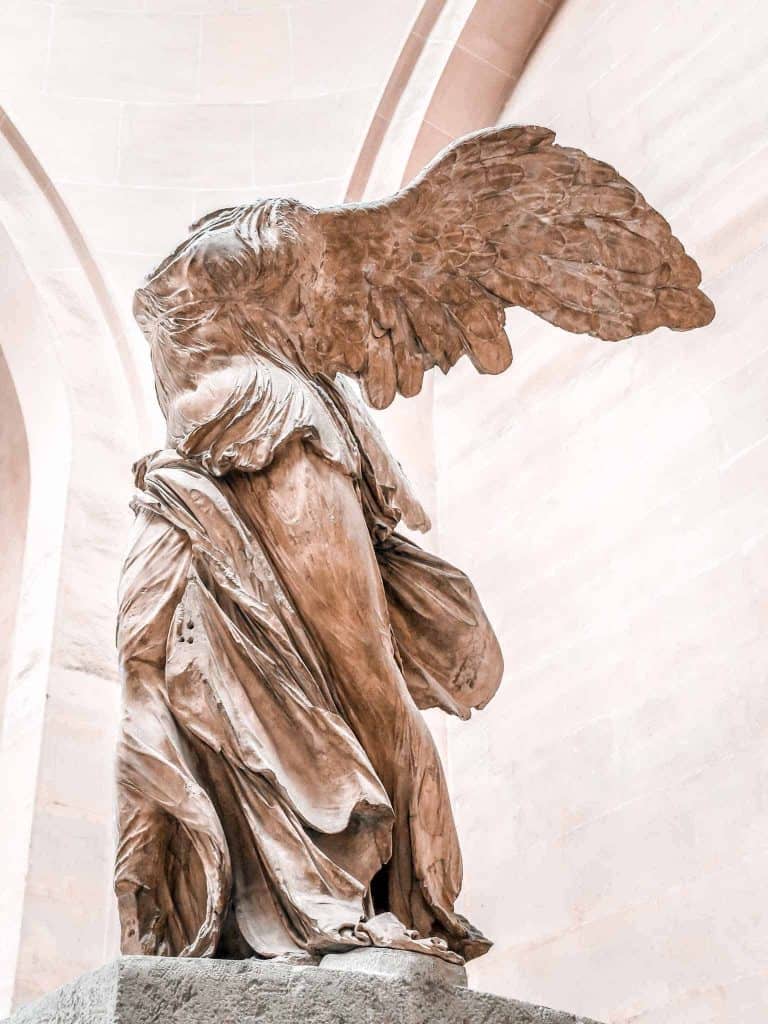
c. 200-190BC
Frieze of Archers
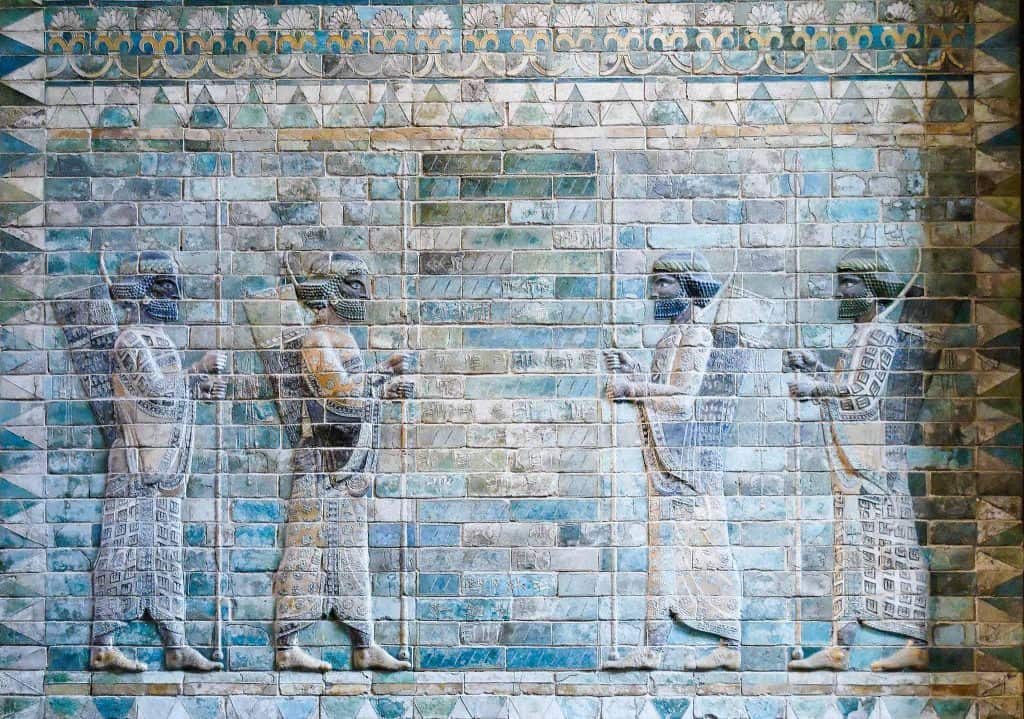
c. 600 – 400 BC, Iran
Louvre Museum [Public domain]

Liberty Leading the People

Eugène Delacroix, c. 1830
The Virgin and Child with Saint Anne
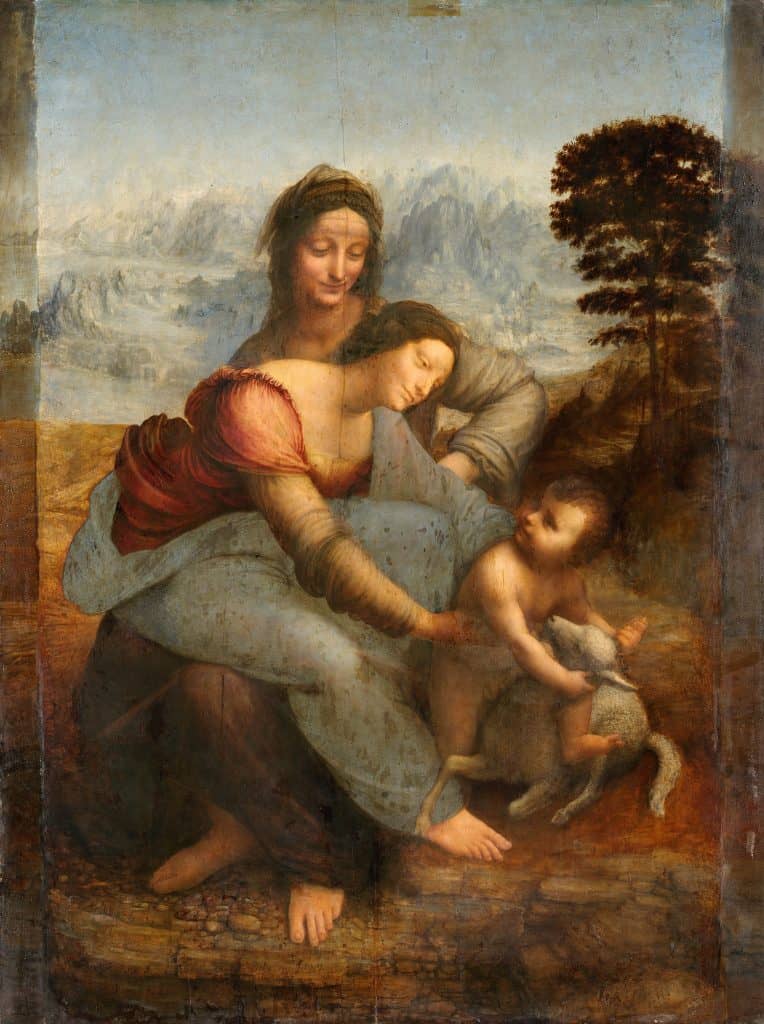
Leonardo da Vinci, c. 1503
The Lacemaker
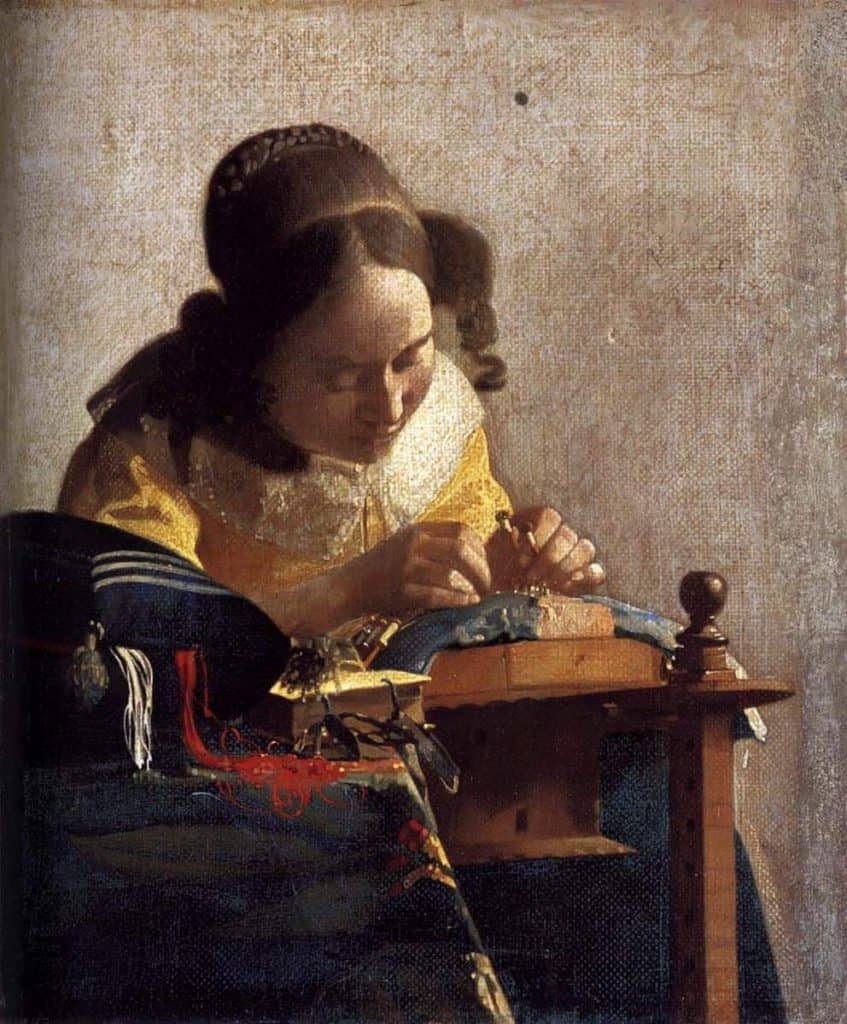
Johannes Vermeer c. 1669-1670
Tips for visiting the Louvre:
- The Louvre is free on the first Saturday of each month from 6PM to 9:45PM and is a good time to beat the crowds of school kids and tour bus groups.
- Tickets can be purchased in advance online on the museum’s ticketing website. Lines to purchase tickets can be hours long so if you know when you want to visit, this can save you a lot of time waiting around.
- The Louvre is closed on Tuesdays
- Leave your luggage at the hotel or in a locker, only small bags are permitted in the museum.
MUSEE D’ORSAY
A former railway station, the Musee D’Orsay houses an impressive collection of impressionist and post-Impressionest art with works by Monet, Manet, Degas, Gaugin and others. Focusing primarily on art from 1848 to 1914, the museum holds a number of famous masterpieces including Van Gogh’s “Self Portrait” and James Abbott McNeill Whistler’s “Whistler’s Mother”. The railway station that houses the museum is a work of art on its own, originally built for the Universal Exhibition in 1900.
Tips for Visiting Musee D’orsay
- Take a guided tour. They’re available in English and having someone guide you through will let you see the highlights without the stress. Plus these kinds of tours are great for someone who loves art but skipped art history class in college.
- The first Sunday of the month the museum offers free admission.
- Like the Louvre, you can purchase your ticket to the Musee D’Orsay ahead of time on their website. Skipping the ticket line can save you lots of time!
CENTRE POMPIDOU

Offbeat and whimsical, the Centre Georges Pompidou houses several cultural institutions under one roof including the Public Information Library, The Musee National d’Art Moderne and the IRCAM – a musical research facility. In addition to its permanent collection, the Modern Art Museum frequently has a variety of temporary exhibitions that feature artist’s works as well as in depth exhibits on their artistic methods. If you’re looking for interesting and different after exploring all of the European masters in other museums, this is the place to go.
Tips for Visiting Centre Pompidou:
- Centre Pompidou has easily accessible online podcast that gives English audio guide tours through the museum to help make the most of your visit.
- If you want an extra deep exploration into the collections, they have a podcast where they cover a work in the museum in depth but they are in French.
- Want to save time? The museum has the option to buy a ticket online as well as a guide to let you know how busy the museum is at any given time.
MUSÉE DE L’ARMÉE (ARMY MUSEUM)

Do you have military history fans in your group? Maybe just a fan of Napoleonic history? The army museum in Paris houses a large collection of military history and art. It covers the 13th century through World War II and beyond. The museum gives visitors a chronological and comprehensive tour of French military history. One of the centerpieces of the museum? The tomb of Napoleon Bonaparte in the Dôme des Invalides.
Tips for Visiting the Army Museum In Paris:
- Get an audio guide if you don’t speak French. While some interpretation is in English, the vast majority of the museum is focused on French.
- Napoleon Bonaparte’s tomb is in the Dome Church. Don’t miss it if you love Napoleonic history!
- Like the rest of the large museums in Paris, there is a lot to see in this museum and it could easily take you more than one visit to see everything. Go in with a plan to see one or two of the major sections if you only have a few hours.
- Use the interactive map to make your plans!
MUSÉUM NATIONAL D’HISTOIRE NATURELLE (NATIONAL MUSEUM OF NATURAL HISTORY)
Like the Louvre, the natural history museum’s public founding was during the French Revolution, and evolved through the 19th and 20th centuries as new collections were added. The museum currently has 12 sites and is an education and research facility as well as a museum. Some of its most famous sites are the Gallery of Evolution and the Museum of Mankind, both located in Paris.
Tips for Visiting the National Museum of Natural History in Paris:
- Much of the National Museum is a massive complex of buildings and gardens in the 5th Arr. It includes museum exhibits, gardens and even a zoo. There’s something for everyone but be prepared to spend time if you want to visit them all!
- Each section/site has its own opening and closing times as well as admission fees. Decide what you want to see ahead of time and then head over to their listings to figure out the best way to organize your day.
MUSÉE RODIN
The Rodin museum dedicated to the French sculptor Auguste Rodin contains over 6,000 sculptures and thousands more drawings and photographs. He opened the museum in 1919 at Hotel Biron in part due to his love of the architecture there. He assembled his most famous works here in a massive collection. Not all of the collections are on display, but two copies of his most famous work, “The Thinker”, are on display – one in the museum and one in the sculpture garden outside.
Tips For Visiting the Rodin Museum in Paris:
- The Rodin Museum is just across the street from the Army Museum. If you’re planning to keep your trip there short (or you’re planning for a second half day to see everything), the Rodin Museum is an easy visit from there.
- If the Rodin Museum isn’t enough because you’re a Rodin fanatic, there is a combined ticket you can purchase so you can see more of the collections at Rodin Meudon.
PALACE OF VERSAILLES
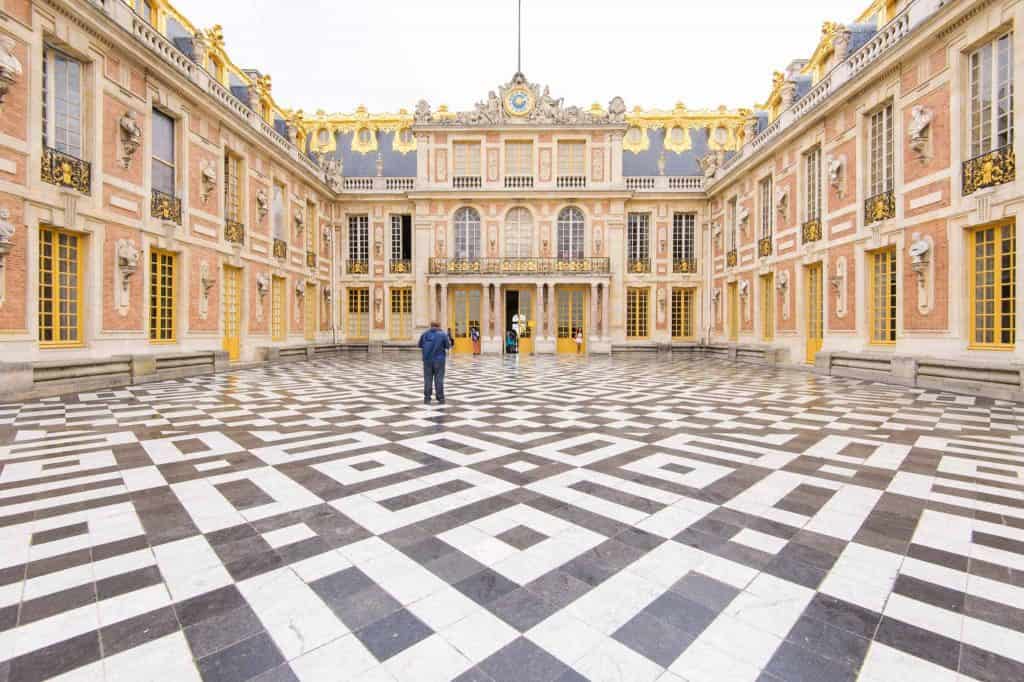
Versailles, like the Louvre, is another famous must-see in Paris. It gives the Louvre a run for its money when it comes to the best museums in Paris. Once an ornate palace established by Louis XIV when he modified his father’s hunting lodge into the center of French government in 1682, Versailles now stands as a monument and museum of French history. Here you can visit the Hall of Mirrors, the Royal Opera House and Marie-Antoinette’s private chambers. In addition the permanent collections series of ongoing temporary exhibits delves deeper into everyday life at Versailles, famous visitors and the leaders of French history.
Tips for Visiting Versailles:
- Getting to Versailles is no easy feat, particularly if you’re traveling at rush hour or don’t speak French. I’ve had more than one friend get lost on the way. If adventures in public transit make you break out in hives, consider taking a tour where they’ll handle transportation and your tickets.
- If you want a behind the scenes tour of the Palace, consider spending the extra 10 Euros for the guided tour. They’re available in English and give you a deeper look into the life of the royalty that lived here.
- Versailles is closed on Mondays, so make plans to visit on another day!